03Service
Electrical Installation
Installation of electrical fittings, fixtures and equipment.
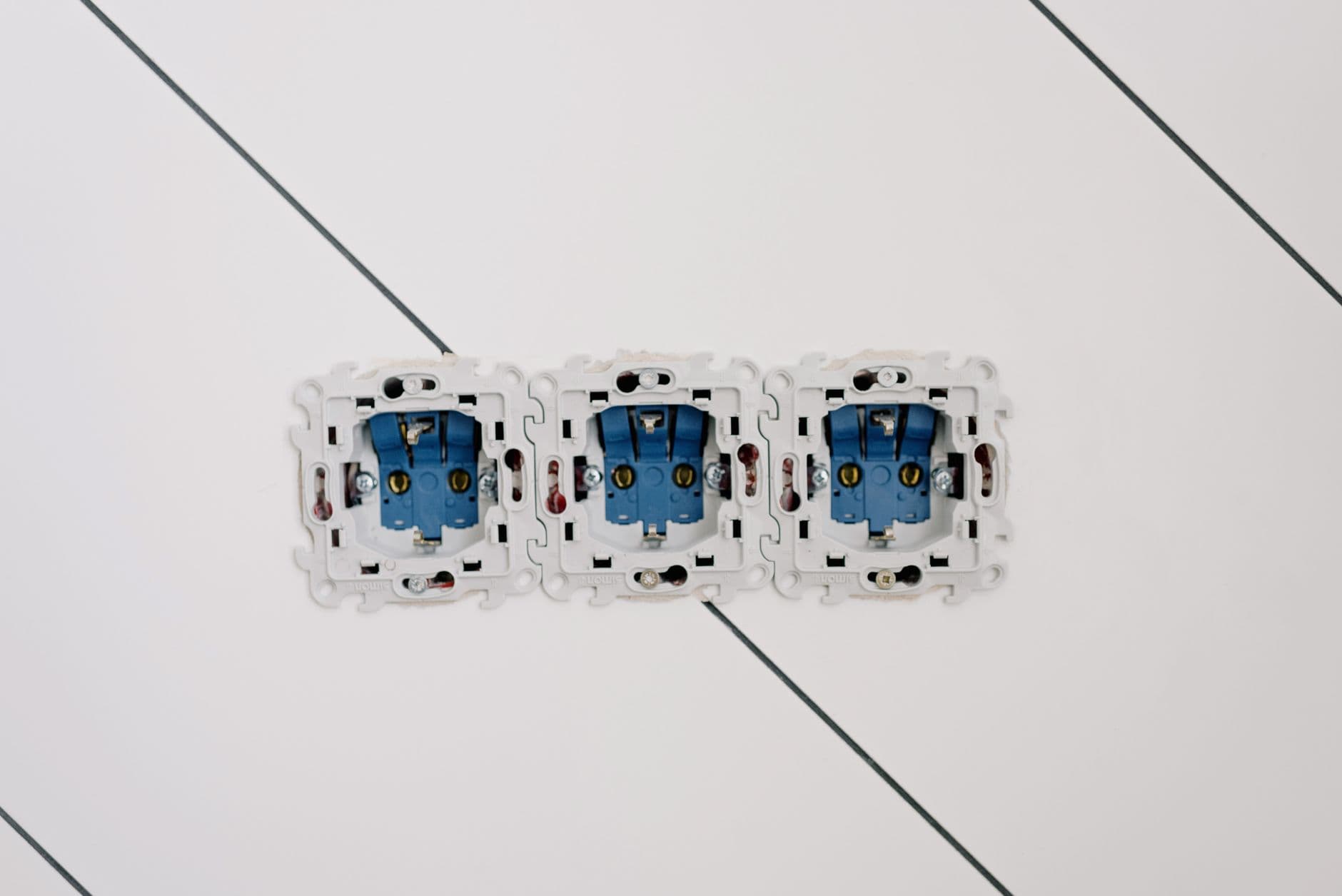
—Background
What an installation job involves
Installation is the category for fitting something specific: a light fitting, a ceiling fan, a run of downlights, an outdoor light, a cooker or water heater connection, a car charger, a towel rail. The item is the centre of the job, and the questions are about where it goes, what it is fixed to and how power reaches it.
Most installations are one of two kinds. Replacing a fitting at a position that already has a supply is usually straightforward. Putting something where there is no supply yet adds a cable run, and sometimes a new circuit, which turns part of the job into wiring work.
The product matters as much as the position. Its weight, its power rating, whether it needs a separate driver or a dedicated circuit, and whether it is suitable for a bathroom or for outdoors all decide how it is installed. That is why a photograph of the label or the model number is so useful before anyone arrives.
01Enquiries
What to tell us
None of this is required. It is what turns a first reply into an answer rather than another question.
- What is being installed, and whether you already have it or need it supplied
- The make and model if you have it — a photograph of the label is enough
- Whether there is already a supply at that position, or whether one has to be run
- What the surface is — concrete, block, plasterboard, or a suspended ceiling
- The height and position you want, if it matters to you
—Worth knowing
Before you ask about installation
What tends to change how this kind of job is done. General points about the work and the property, not promises about it.
- What it is fixed to
- A heavy pendant, a chandelier or a ceiling fan needs a fixing that can carry its weight and movement — into the slab or a proper support above a false ceiling, not into the plasterboard alone.
- Bathrooms, gardens and pool areas
- Fittings in wet or outdoor positions need an ingress protection rating that suits where they go, and outdoor cable and connections that will stand heat, sun and irrigation water.
- Drivers, dimmers and controls
- LED fittings rely on drivers and, when dimmed, on a dimmer that is compatible with them. Mismatched combinations are a common reason for flicker and early failure, so it pays to choose fittings and controls together.
- If you have already bought it
- Keep the packaging and the instructions. Installation requirements, fixing centres and circuit ratings are often printed there and nowhere else.
—Questions
Questions people ask
- Can a ceiling fan go where a light is now?
- Often, provided the ceiling can carry the fan’s weight and movement and the existing supply suits it. Under a false ceiling the fan normally needs a fixing into the structure above rather than into the board.
- Why do some LED downlights fail early?
- Heat trapped in a ceiling void, drivers that do not suit the lamp, and dimmers that are not designed for LED loads are common reasons. Choosing fittings, drivers and dimmers as a set, and leaving the clearances the manufacturer asks for, helps them last.
- What helps before an installation visit?
- The make and model, or a photograph of the label; the position you want; a photograph of the wall or ceiling there; and whether there is a supply at that point already.
- Should outdoor lights run on a timer or a sensor?
- Each suits a different use. Timers and photocells suit lighting that should simply be on through the evening; motion sensors suit paths, gates and security lighting that only needs to come on when someone is there.
—Guides
Guides on installation
30 guides filed under installation: what to check, what is safe to do yourself and what to tell an electrician.
- Installing a ceiling fan
- Hanging a chandelier or heavy light fitting
- Garden and landscape lighting
- Outdoor security lights and sensors
- Replacing halogen downlights with LED
- Choosing dimmers for LED lighting
- Adding smart switches and lighting control
- Installing an EV charger at home
- Connecting an electric cooker or hob
- The electrical supply to a water heater
- Installing outdoor sockets
- Pendant and track lighting
- Installing LED strip lighting
- Powering a video doorbell or intercom
- Backup power for a villa
- Installing an electric towel rail
- Surge protection at home
- Adding wall lights
- Smart switches or smart bulbs
- Motion sensors or timers for outdoor lights
- Replacing fluorescent tubes with LED
- Plug-in or hard-wired appliances
- Warm white or cool white light
- Dimmable and non-dimmable LED lamps
- LED panels or downlights in an office
- Gas or electric water heater
- Battery or wired video doorbell
- Portable or installed backup generator
- Underfloor heating electrics
- Lighting a loft or attic
—Also
Other categories
The five overlap at the edges. A fault found during maintenance becomes troubleshooting, and troubleshooting often ends in wiring work.
—NEXT
Ask about installation.
Send the property and what is happening. We will come back to you.