04Service
Electrical Troubleshooting
Diagnosis of electrical faults.
—Background
What troubleshooting actually is
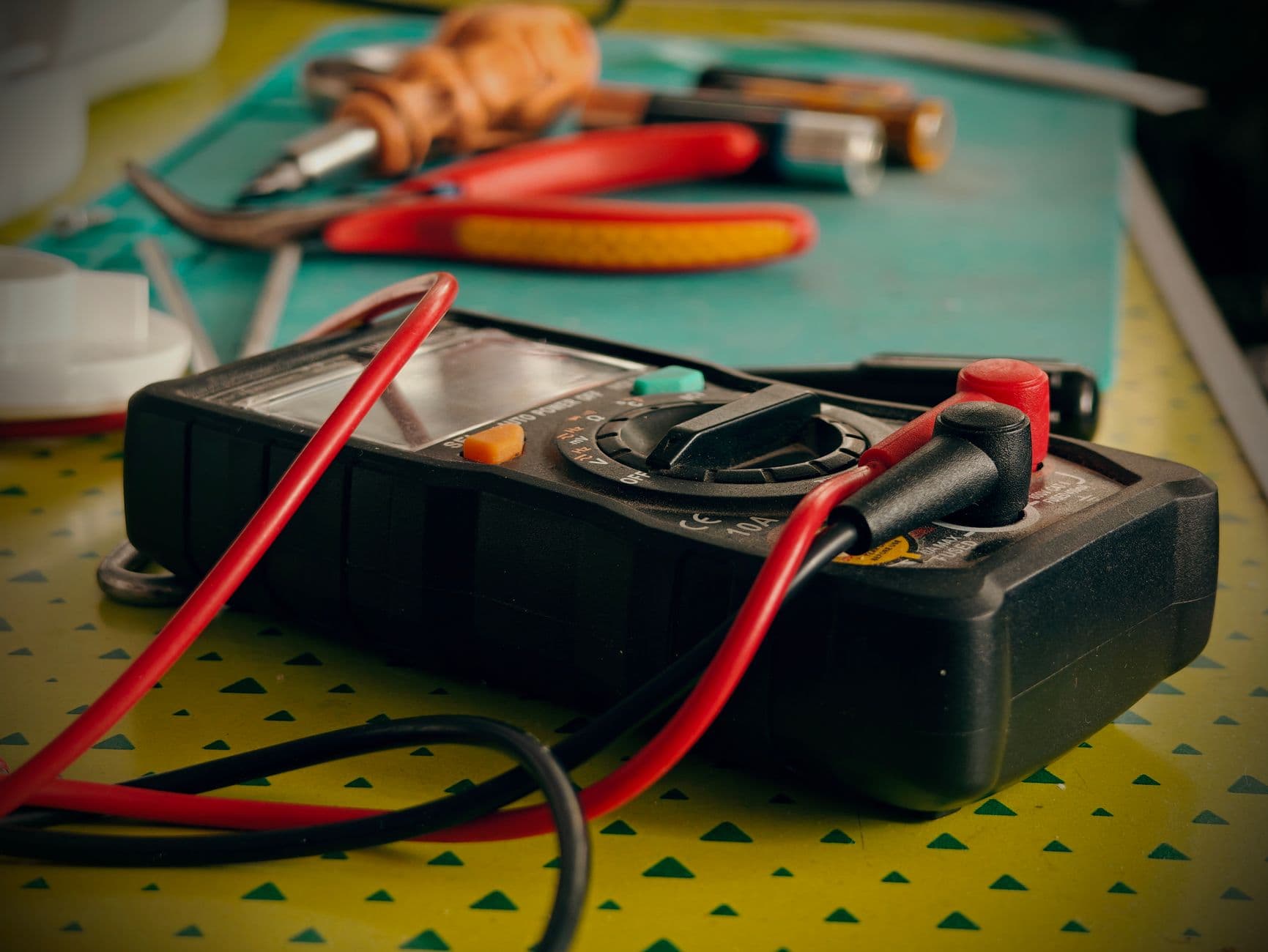
Troubleshooting is the work of finding out why something electrical is not behaving as it should, before anyone decides what to repair. It starts from what you have noticed — a trip, a dead circuit, a flicker, a smell — and narrows down where the cause sits: in an appliance, a fitting, a cable, or the protective device that is reacting to one of them.
Intermittent faults are the hardest to trace because they may not happen while someone is there to see them. A short record of when the fault happens, what was running at the time and what was reset is often the most useful thing a customer can provide.
This page deliberately does not say what any symptom means. The same trip can come from a faulty appliance, moisture in an outdoor fitting or a damaged cable, and the only reliable way to tell them apart is testing at the property.
01Enquiries
What to tell us
None of this is required. It is what turns a first reply into an answer rather than another question.
- Exactly what happens, and what you were doing when it happened
- Whether it affects one point, one room, or the whole property
- Whether anything trips, and if so which device on the board
- Whether it is constant or intermittent, and whether it follows a pattern
- When it started, and whether anything changed around the same time
- Whether it has been reset, and whether resetting it holds
02Symptoms
Things people describe
What people describe when they get in touch. Deliberately without what any of it means — that is not something to work out from a web page.
- 01
A breaker that trips when one particular appliance starts up
- 02
One socket dead while everything else in the room works
- 03
Lights that dim briefly when something else switches on
- 04
An RCD that trips at roughly the same time each day
- 05
A switch or socket that feels warm, or that has begun to discolour
- 06
A buzzing or humming that comes from a fitting rather than from the appliance
If yours is not on this list, that is not unusual. Describe it in your own words — the description is more useful to us than a category.
—Worth knowing
Before you ask about troubleshooting
What tends to change how this kind of job is done. General points about the work and the property, not promises about it.
- Unplug before you reset
- If a device on the board trips, unplugging the appliances on that circuit before resetting it shows whether it holds without them. Note what you unplugged and what happened. Do not open sockets, fittings or the board.
- Keep a short log
- Date, time, weather and what was running. Patterns — every evening, after rain, when the air conditioning starts — are what narrow the search.
- Photograph the board
- A photograph of the distribution board with the tripped device visible, and any labels beside it, saves time before anyone has arrived.
- Know when to stop
- Burning smells, heat, scorching or a tingle from metal are reasons to switch off and leave it off, not to keep testing.
—Questions
Questions people ask
- How many times should a tripping breaker be reset?
- Resetting once to see whether it holds is reasonable. If it trips again, leave it off. The device is reacting to something, and resetting it repeatedly removes the protection it is there to give.
- What is the difference between a breaker tripping and an RCD tripping?
- A circuit breaker reacts to too much current, such as an overload or a short circuit. An RCD reacts to current leaking to earth. Knowing which kind of device tripped — the label or a photograph tells you — is one of the first clues in narrowing a fault down.
- Why does the fault stop when someone comes to look?
- Many faults depend on load, temperature or moisture, so they come and go. A log of when they occur helps recreate the same conditions during testing.
- Should I still get in touch about a fault that has stopped?
- If it involved heat, burning, sparking or a shock, yes — a fault that has gone quiet has not necessarily gone. Otherwise keep the log and describe the pattern when you do get in touch.
—Guides
Guides on troubleshooting
29 guides filed under troubleshooting: what to check, what is safe to do yourself and what to tell an electrician.
- When a socket stops working
- When several sockets in one room stop together
- When the lights flicker
- When a light or switch buzzes
- A burning smell from the electrics
- A tingle from an appliance or metal fitting
- An RCD that trips at random
- A breaker that trips when one appliance runs
- When part of the house loses power
- When there is no power anywhere in the house
- A distribution board that buzzes or crackles
- A distribution board that feels warm
- When outdoor lights stop working
- LED lights that flicker on a dimmer
- LED downlights that keep failing
- A spark when you plug something in
- A socket where plugs feel loose
- A washing machine or dishwasher that trips the power
- Light bulbs that keep blowing
- A ceiling fan that wobbles or makes noise
- When a light switch does nothing
- Lights that switch on or off by themselves
- A doorbell or intercom that has stopped working
- A fridge or freezer that keeps losing power
- When to stop resetting a breaker
- Signs an electrical problem is urgent
- The electric shower runs but will not heat
- The electric towel rail will not heat
- The under-cabinet lights will not come on
—Also
Other categories
The five overlap at the edges. A fault found during maintenance becomes troubleshooting, and troubleshooting often ends in wiring work.
—NEXT
Ask about troubleshooting.
Send the property and what is happening. We will come back to you.